
31 Top Tips For Travelling With Kids (By A Parent!) 2025
Discover how to stay sane, have fun and make family travel a success!
Travelling with kids continues to bring our best family memories. Adventure ignites their sense of imagination and curiosity. From picking our next destination, selecting fun activities, to packing our bags, excitement builds as to what we will discover.
Whether we are hiking, camping, road tripping, embarking on a gap year, or anything in between, travelling presents big and small challenges. These twists and turns, especially the unexpected ones (bitten by a monkey in Nepal, breaking down on a road trip or sandals failing at a trailhead), now become part of our adventure.
We have travelled extensively as a family for more than a decade, and we are now confidently embracing new challenges with teenagers. Discover our tried and tested tips that keep family travel adventures easy and fun.
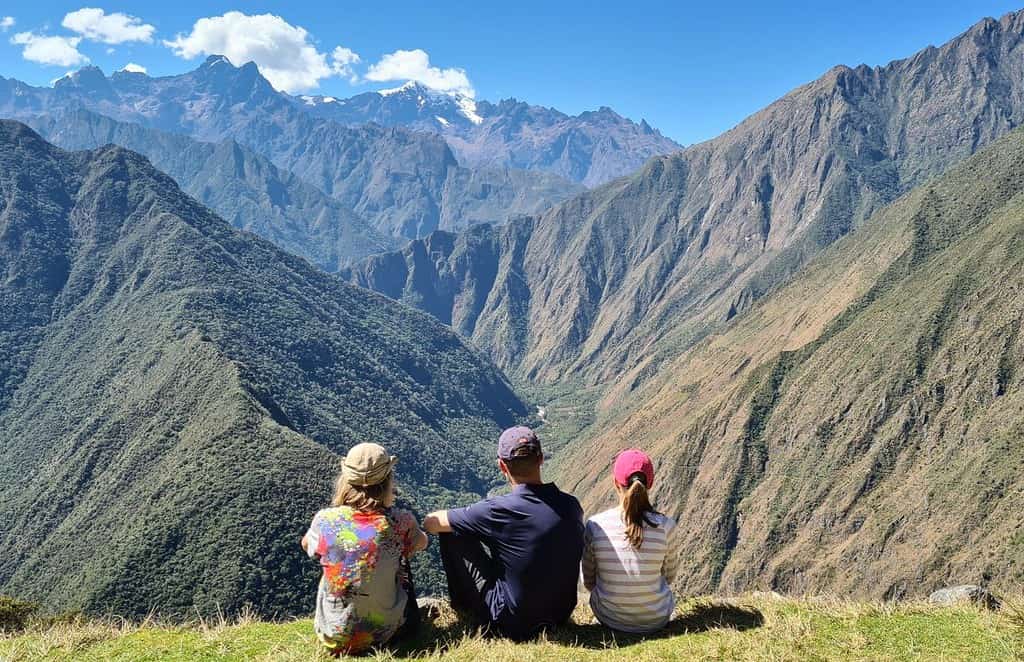
Travel Preparation & Packing
Every family’s approach to travel will be different. We keep it simple and enjoy the adventure.
1. Pick Child-Friendly Destinations
While there are many places our family would like to visit, selecting the most family-friendly destination is one that everyone can enjoy and participate in.
Our top destinations for families with children of any age include Sri Lanka, Iceland and Scotland.
We determine a destination by choosing a family-friendly activity that we all want to do. Sometimes this involves sightseeing, an adventure, an activity or relaxing at a beach in the sun.
If there are long travel days for a short duration away, we’ll avoid it for a closer destination to maximise family time.
2. Involve Your Kids In Your Travel Itinerary Planning
Involving our kids in planning a flexible schedule around our family’s interests engages them deeper in our travel experiences.
Even from a younger age, our kids have suggested activities, made decisions and helped shape our itinerary. This approach reduces meltdowns (especially on road trips when they have to share a small space for longer than they would like!) and builds excitement as they research.
Our kids are more engaged when they know what to expect on a day-to-day basis and it keeps them interested on days that are less fun.
3. Set A budget
Sticking to a family budget is a good strategy. Knowing how many ice creams or days out you can afford on a trip can be balanced with essentials such as food, accommodation and transport.
We try to avoid travelling to popular destinations during peak times. As most of our travel is during school holidays, this is not always possible, and the budget needs to stretch further.
This is where selecting a cheaper destination away from tourist hotspots or travelling closer to home is more budget-friendly.
4. Travel With Hand Luggage
Packing smart saves money, time and makes travelling easier with kids.
We travel with hand luggage as it is more cost-effective, and fewer bags are easier to manage. Whether we reduce the price of an airline ticket by taking only a carry-on bag, renting a smaller hire car or journeying on foot instead of taking a taxi, our budget goes further.
Packing light gets easier once kids are out of the toddler stage. We stick to packing essentials and outfits that mix and match. Some destinations and winter seasons may make this more challenging, where one family’s checked bag may be essential for their trip.
Everyone can also carry their own luggage.
This summer, we travelled for three weeks in Mexico and the USA with just a carry-on case and a small rucksack each. You don’t need to pack everything. Remember, you can wash clothes, and most destinations have shops where you can replenish essentials.
5. Kids Pack And Carry Their Bags
Kids can pack their bags with clothing and items to keep them entertained. Our teens include e-readers, playing cards, a water bottle, headphones and chargers.
Our kids pack their essentials into either a carry-on case or a backpack, depending on the type of travel.
We all have a set of packing cubes to help organise our clothes for accessibility. These are great for visualising how many items of underwear, tops and trousers are required. If it doesn’t fit or makes the bag too heavy, items are removed instead of being placed in someone else’s bag.
We have a rule where everyone is now accountable for their bag/s after a day bag was left at a hotel, resulting in a 2-hour return trip to retrieve it. Being responsible for their own bag has turned them into independent travellers.
Use a Packing Checklist for kids to follow to avoid forgetting essential items.
6. Travel With A Simple Travel First-Aid Kit
We carry a basic first aid kit when travelling. It contains dressing plasters, pain relief, wipes and rehydration salts.
Additionally, consider adding antihistamines, motion sickness tablets, and an antiseptic lotion to prepare for any potential spills, illnesses, or accidents that may occur within the family.
Add in any prescribed medication and doses specific for children, checking there are no banned items for the country you are travelling to.
7. Organise Travel Documents
Reduce stress and last-minute delays by keeping family travel documents together in a simple zipped wallet. Our family’s passports, international driving licence and copies of the electronic documents are kept together in a waterproof pouch (nothing fancy).
One parent is responsible for the wallet, with passports collected from our kids once checks are complete. We keep them in the same backpack or store them in the hotel for safekeeping.
Ensure all travel documents (passports, visas, travel insurance) are valid for your specific destination and activity level.
8. Have Entertainment To Hand
Each of our bags offers some form of family entertainment that is easily accessible.
Include a variety of books, e-readers, game consoles, mobile phones, card games, colouring books, activity packs, balls and collectables. We find these invaluable resources when travelling with kids.
Having some form of accessible entertainment helps prevent spiralling boredom and tantrums, while also aiding family connection.
We charge electronics, battery packs and download films, games, or playlists at accommodation, as power sources and Wi-Fi are not guaranteed in public areas.
Remember to pack international plug adapters!
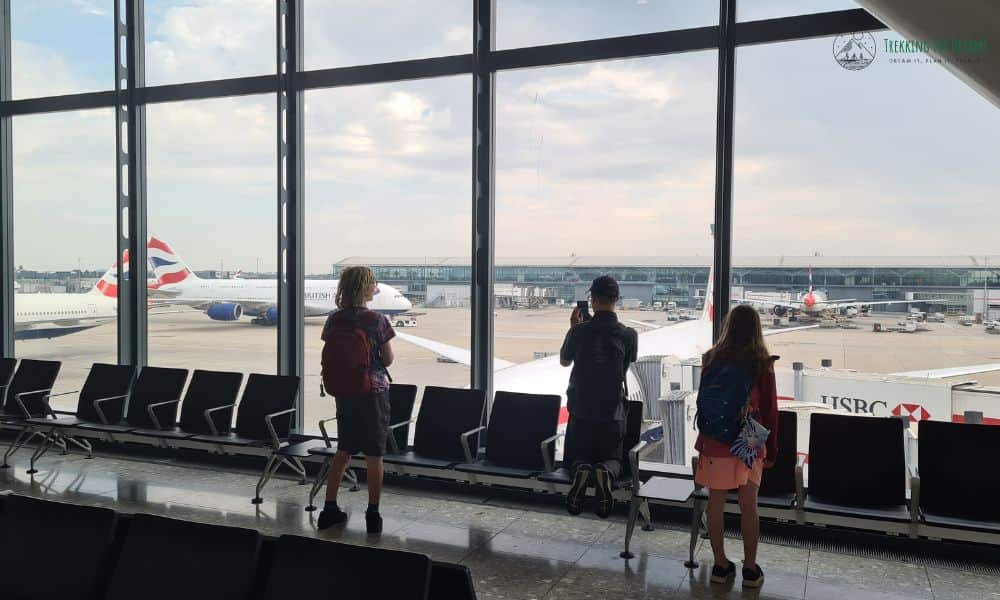
Travelling With Kids On A Plane, Train Or by Road
Family travel often involves multiple modes of transportation, including air, rail, sea, or road, at different times of the day. Some may be exciting, others may be the biggest challenge of the whole trip, but it all adds to the adventure.
9. Set Off For Your Journey Early
Allow extra time to navigate airports, cities or travelling by road. Traffic, toilet stops, poor navigation, protests and children’s antics have all caused us delays.
With extra preparation, some issues may be avoidable (such as not applying for a visa to transit a country), while others are unexpected, like a landslide. Although we have only missed one flight in over a hundred, there have been numerous times when we’ve waited for the next bus or train, resulting in multiple-hour delays.
If it results in arriving with more extra time, be prepared with games and snacks to fill the time.
10. Encourage Kids To Move
Children have endless energy that needs to be worked off. We plan to stay active as a family daily, especially on travel days. Plan to visit play parks, swim, hike, cycle or have races to balance everyone’s mood.
Burning off energy before being confined to a seat makes the journey much more comfortable. We try not to board too early to reduce the duration sat in our seats.
Our family are often one of the last to board a flight, allowing us to stretch our legs. One exception is for a night flight, when our kids need extra time in their seats to unwind before sleeping.
Where possible, we encourage children to move around the plane, train, or boat, and have everyone stretch during layovers or on road trip stops.
11. Book travel Times Wisely
Booking transport or taking a road trip around nap times worked wonders when our children were younger. We now plan our longest travel times after an active day hiking, sightseeing, or other fun activities.
Utilising night trains, buses, and flights with kids maximises our time in a destination, saving on accommodation costs and helping our budget. The downside is that we may not get good sleep. Our teens often favour entertainment over sleep, leading to tiredness during the trip!
When our children were younger, we would dress them in pyjamas for comfort during evening travel, when sleep was usually guaranteed.
12. Bring Snacks
We start our travels prepared with water bottles and multiple healthy snacks in our bags, which we replenish along the way. It is ideal to have something to perk up a tired and hungry child rather than dealing with a tantrum or detouring to find food.
Transport hubs tend not to be well-catered for, are expensive, or non-existent when travelling.
Nuts, dried fruit, crackers, and other long-life snacks have been lifesavers for us over the years, especially when travelling at night or early in the morning, when nothing is open. These snacks have saved us from meltdowns on transport, in queues, or between meals.
13. Arrange Ongoing Transport
We find it is not wise to wait until you arrive at a destination to find forward transport to your accommodation when travelling with kids.
As a solo traveller, last-minute transport might be quicker and cheaper than prebooking, but for a family of five, convenience is often a better option than a challenge.
Knowing that transport is waiting for us when we arrive at a hub is time-effective and eliminates additional costs or child meltdowns.
We tend to opt for car hire to allow us to road trip, but in some destinations it’s best to take local buses, trains, taxis or cycle from airports and between activities.

Accommodation Tips
Accommodation is a necessity when travelling, although it can be challenging to balance price against comfort.
14. Choose Family-Friendly Accommodation
Booking family-friendly hotels or holiday rentals with amenities such as kitchenettes and laundry facilities can be valuable when travelling with kids. Family suites and communal spaces are a bonus offering space to unwind.
We rarely travel all-inclusive, but we do find that having breakfast included within the room rate takes the stress out of finding food. Self-catering is a great alternative if we stay for more than a few days, especially when the destination is expensive for eating out.
Check that rooms have enough beds for your family. It has been stressful arriving in the middle of the night to discover a room advertised to sleep five, only has two beds.
15. Book Stays Away From Popular Areas
Apart from being more affordable, staying outside of popular streets or away from attractions offers quieter and more spacious family accommodation. This is when we find hidden gems that turn into our favourite memories.
We utilise local transport if required or stay within walking distance to fulfil our family’s itinerary.
When visiting New York City, we found staying in New Jersey was a fraction of the price of staying in the city, with a direct bus route.
16. Swimming Pool
It doesn’t matter if the climate is hot or cold; our kids find joy in knowing there is a swimming pool at our accommodation. Pools are great for cooling off, relaxing, exercising, entertaining, or for family bonding.
Hotel pools are the first place our children head to when we check in, as they offer a space for kids to socialise with other families. Over the years, our kids have frequently preferred the beach, and we find it less stressful than having them in the sea.
17. Live Like A Local
Living like a local is the best way to get to know a destination. Staying in less touristy areas, shopping in local grocers and eating where locals eat all build on the experience.
We have had some wonderful experiences staying in homestays with locals, where we have been involved in shopping, cooking and eating cultural delicacies.
Visiting festivals and exploring more than tourist hotspots is a great way for families to gain from the travelling.
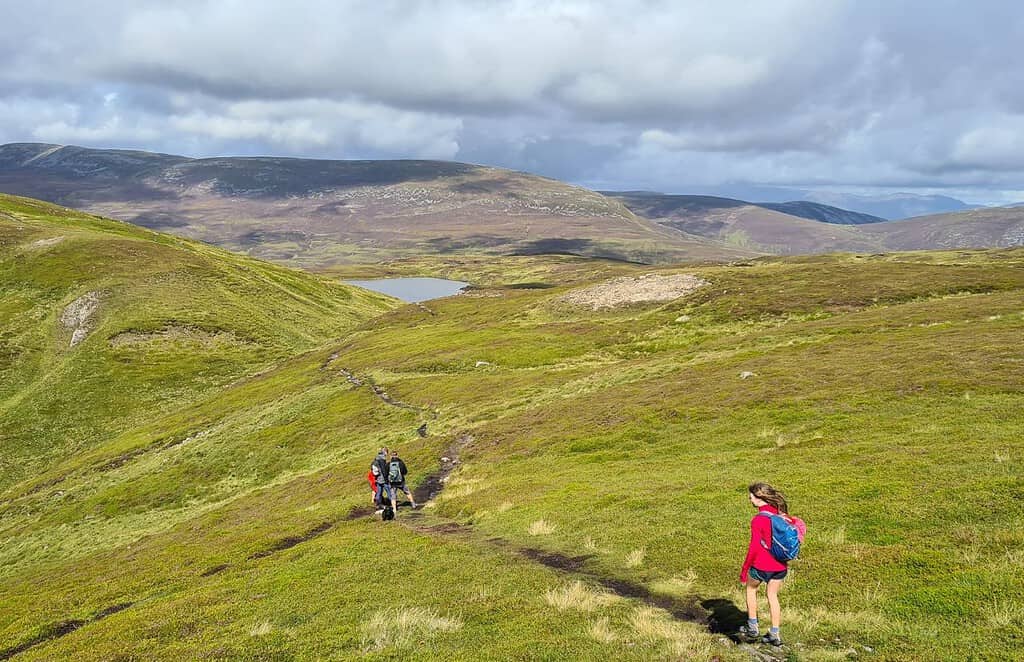
Exploring with Kids At Your Destination
Having family adventures is what makes travelling with kids worthwhile.
18. Choose Kid-Friendly Attractions
It may seem obvious, but balancing activities with kids’ interests helps shape family trips. We often book our entire trip around one family activity, then add individual requests that do not always suit everyone. At the moment, it is anything adventurous like whitewater rafting, scuba diving or skydiving!
Playparks, nature walks or a swim can be added between activities for a low-cost family activity.
Compromises may be necessary with young kids who do not meet restrictions, but once they are older, opportunities open up.
19. Pre-Book Activities
While it’s tempting to schedule daily family activities, it can limit flexibility. We appreciate having some reservations for each trip to reduce stress for our top must-do activities.
Some attractions, like visiting Rome’s Colosseum, require reservations months in advance. Making bookings, especially during peak season, ensures our family can enjoy the activities without disappointment.
When we plan a trip around a special activity, we ensure it’s booked before other travel arrangements. Unfortunately, the weather can result in last-minute cancellations, as it did when we booked a walking tour on a glacier in Iceland (heavy rain).
20. Build In Extra Time
All activities with kids tend to take longer than expected; travelling is no different!
Even getting our teenagers out the door, moving quickly or reluctantly, can be more challenging than when they were toddlers.
Planning a flexible itinerary can make for a more successful trip. This allows for spontaneous visits, which often become one of the trip’s highlights. Extra time offers the option of detours, mishaps, toilet breaks, traffic and visits to playparks.
21. Be Prepared For The Weather
A change in weather conditions should not put your adventures on hold. While we book holidays expecting fair, wet, cold, hot or sunny weather, some destinations are less predictable, and preparation is key.
We pack layers to allow our family to regulate and continue having the most fun in any environment. With waterproofs, hoodies, sun protection and appropriate footwear included in our packing, we feel prepared for any weather.
Hot climates can be the hardest to adapt to, so be prepared with access to swimming pools and air conditioning to keep kids happy.
22. Alternating busy and relaxed days
Travelling can be full-on, trying to see and do everything, leaving parents needing another holiday!
With kids, we balance hikes, tours and action-packed days with slower, more restful days by the pool or half-day sightseeing close to the hotel.
Doing less actually results in doing more as a family; rather than memories of dragging tired kids around to tick off everything in the area, there is more opportunity to bond. Alternating between busy and leisurely days definitely makes our family travel more enjoyable.
23. Make Time For Breaks In The Day
Although it is tempting to plan an action-packed itinerary to maximise your trip, kids do not want to be on the go every day.
We avoid overscheduling and allow time to rest during the day by having slow mornings, leisurely family meals, picnics and downtime, which keeps everyone happy and travel stress-free.
24. Take Public Transport Over Private Hire
Private transport can be more convenient, but taking trains, planes, buses, and ferries is often easier, cheaper and more fun for kids.
Our kids prefer using local transport for the interaction of being around other travellers. We spot things that we would not have seen otherwise, and can also play games, as opposed to the restrictions of driving.
Regional forms of transport, such as tuk-tuks or Jeepneys in Asia and trains or planes in Europe, can be the most efficient and fun options.
25. Teach simple local phrases
Exposing children to a foreign country through travel offers numerous benefits, one of which is the acquisition of language.
Being surrounded by accents and unfamiliar words can spark a sense of curiosity. Our teenagers have different languages that interest them. They are continuing to build on this as they understand the importance after travelling to countries that do not speak English.
From a young age, we encouraged our family to learn simple phrases such as how to say “hello” or “thank you”, when on an adventure. This has developed into full conversations with locals.
26. Try Local Foods
While trying new foods is not the easiest with fussy eaters, encouraging adventurous eating by experimenting with new flavours and dishes may help make travel easier. There are options for ‘familiar food’ around the world if your kids refuse.
Markets are great places to see, smell and try traditional foods. We enjoy participating in walking food tours, dining at local restaurants, and taking cooking classes, allowing us to gain skills in replicating meals at home.
The taste of food always stirs up memories of time spent travelling, with Japan, Vietnam, Sri Lanka, and Thailand being our top destinations for food with kids.
27. Start Your Day Early
If your family is an early riser, sightseeing before the crowds is a great option. Holiday makers often opt for lazy mornings, meaning sights and towns are quieter.
The cooler mornings allow for manageable exploring in hot destinations. This is definitely the perfect time to discover local gems and capture family photo opportunities.
While we benefited from early starts with younger children, our teens reluctantly opt for early starts, even though they know it results in a better experience. Often, it is best to avoid this challenge.
28. Dress In Swimwear
Utilising swimwear during the day can reduce stress and increase comfort for families in warm climates, with the bonus of saving on laundry.
Our children will happily wear swimwear every day when travelling. If there is a chance of getting wet at the pool, beach, or cooling off in public fountains, stress is reduced as quick-drying fabric means they are activity-ready.
Alternatively, having swimwear in your bag means you’re ready for the unexpected opportunity to take a dip while out for an adventure.
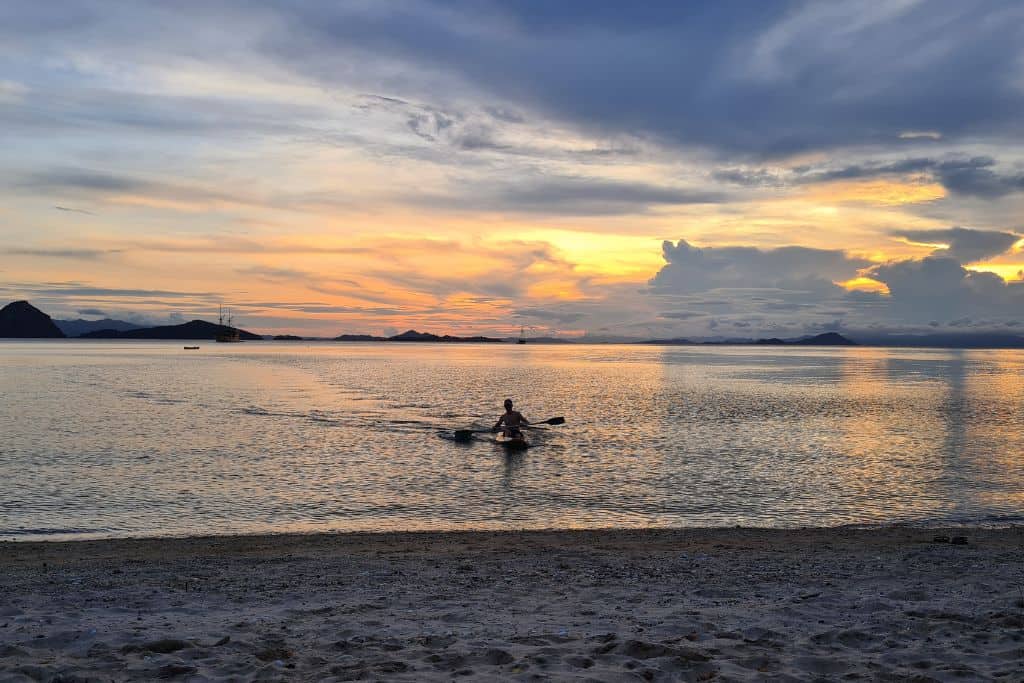
Succeed At Family Travel
Family adventures come in all shapes and sizes; what works for one may not work for another. Make your tips successful your way!
29. Lower your expectations
Travel is seldom perfect, and with kids, there could be a whole load of stress if that’s what you strive for.
By lowering our expectations and embracing unexpected moments of joy instead of expecting Instagram-perfect moments, our family trips became more successful. Our whole family looks forward to travelling, spending time together, and discovering new adventures, rather than needing to live up to an ideal.
If your kids are not yet walkers, consider using a buggy or carrier to make things easier. If a rest stop is needed, a slow day, rest day or a change to a trip, go with it.
30. Be Flexible
Being adaptable makes travelling more fun; we look forward to unplanned moments as they often turn into our best memories.
Our family have evolved from planning every detail before departure to a more relaxed, adaptable itinerary en route. This works best for us, especially for longer trips, as it allows for extra rest days, poor weather, or an ad hoc stop to aid the journey’s success.
Although each trip has a list of places to see and things to do, if we only achieve half of the initial plan, it’s because we have enjoyed the trip and will return to complete the rest, rather than burning out by trying to do it all.
31. Embrace The Adventure And Have Fun
Travel can be unpredictable. Maintaining a positive attitude helps everyone manage challenges more effectively and ensures everyone has the most enjoyable family time.
The most important thing is to create wonderful memories as a family.
Embrace the chaos, adventure and challenges that family travel brings!
Family Travel FAQs
You are now armed with tips to help you have a successful family travel adventure. Here are a few common questions about travelling with kids.
A good age to start travelling with kids is when you feel ready, whether that’s as a newborn, toddler, child or teenager. Travelling as a family can be rewarding at any age. Younger children can be more affordable and adaptable than older kids, but they may not be able to participate in as many activities.
Kids can be challenging, whether travelling or staying at home. With some planning, patience, and flexibility, family travel can be a rewarding experience at any stage. Practice definitely makes travelling easier.
Travelling with kids can be stressful. With some preparation and a flexible mindset, it can be a rewarding experience that the whole family enjoys.
Family Travel Without The Stress
Family travel may not be completely stress-free, but we find taking time to prepare, combined with a flexible approach, makes travelling with kids the most rewarding.
The most important thing is to include your kids in the planning and to ask how they feel about travelling. We have adapted our travel style over the years. Currently, we book last-minute trips, travel with hand luggage, and seek adventure while soaking up special family moments while they last!
If you are looking for tried and tested family travel destinations, adventure ideas or road trip itineraries to inspire your travels, you are in the right place.